12 Things I Wish I Knew Before Going to Japan
Excited that you’re finally planning your trip to Japan?
To help you feel more confident and enjoy your trip to the fullest, here are 12 things I wish I knew before visiting Japan.

I’m going to Japan!
For many travelers, those words mark the start of a long-awaited dream finally coming true.
But as the excitement builds, so do the questions: how will you manage the language, the food, or even getting around?
I get it. That’s exactly how I felt before my first trip to Japan.
When I first traveled to Japan, I was thrilled but also a little scared.
I didn’t speak Japanese and wasn’t sure how I’d manage in Tokyo, much less across the country.
I worried about what I’d eat and how I would order.
Back then, in 1992, Japanese food wasn’t nearly as mainstream as it is today.
There was no ramen shop on every corner, and sushi wasn’t part of my regular diet.
I ended up losing five pounds in a week simply because I didn’t know what to eat!
Even so, I had a wonderful time, and I’ve returned many times since.
With each visit, I’ve learned a little more, and today Japan is one of my favorite places in the world.
Along the way, I’ve gathered tips I wish I knew before going to Japan that first time.
They would have made everything so much smoother, and I hope they’ll help make your journey easier, too.
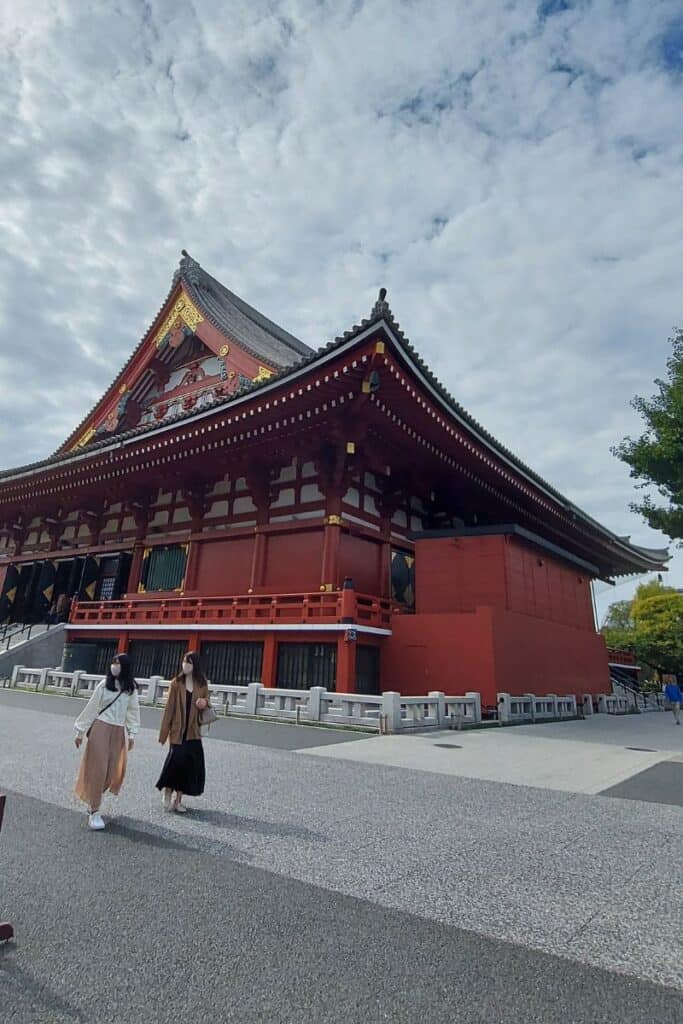
1. What to Wear in Japan: Dress Conservatively and Comfortably
Most Japanese people dress in neutral or light colors, and their style is more understated than you might expect from the Harajuku street-style images you see online.
Even in the heat, most Japanese people dress in slacks and sleeved shirts. It’s good to consider this when planning what to wear.
The most important thing is comfort: you’ll walk a lot and climb plenty of stairs in train stations, so bring comfortable shoes.
2. Why People Wear Masks in Japan
Wearing a mask when you have a cold or allergies is a common courtesy in Japan.
The first time I saw this, it surprised me, but it made sense once I understood how much importance the Japanese place on protecting collective health.
3. Travel Etiquette: Don’t Blow Your Nose in Public
In addition to wearing masks, blowing your nose in public is considered rude. If you need to, excuse yourself and do it privately.
4. Train Stations in Japan Are Worth Exploring
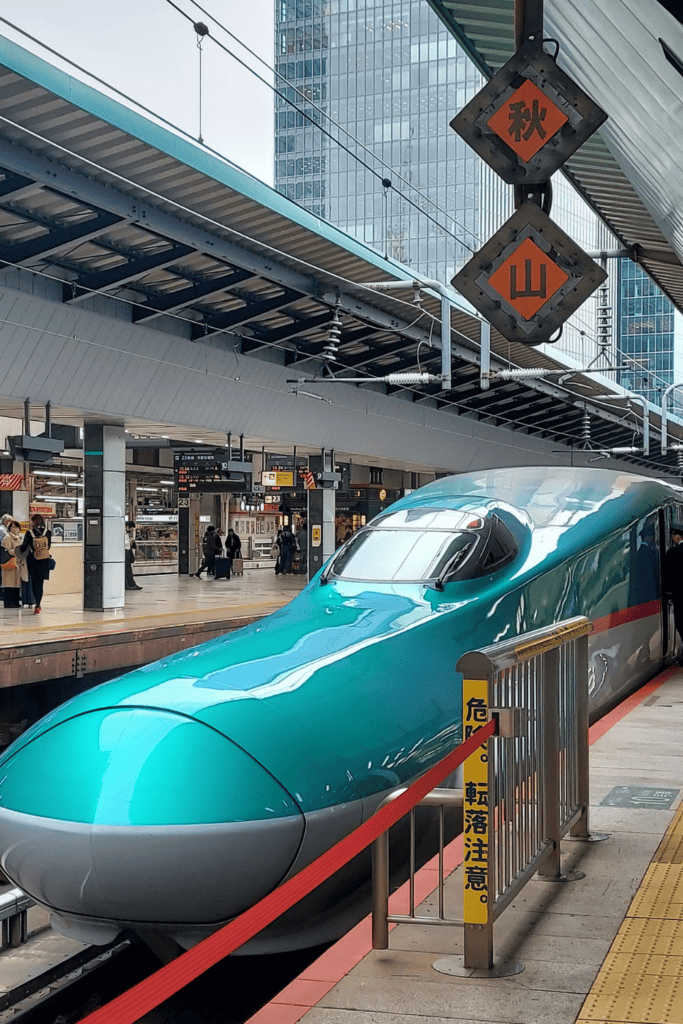
Trains are the main way to travel in Japan, and major stations are like mini-cities. The Japanese even have a name for these train station shopping hubs, Ekinaka.
You’ll find clothes, gifts, food, entertainment, drugstores, florists, stationery, souvenirs, travel agents, hotels, banks, post offices, everything!
This makes train stations places worth exploring. From Tokyo Station to Kyoto’s 9-story Isetan Department Store, make sure you leave time in your schedule to explore these amazing places.
5. Getting Around Japan: Trains vs. Flights
Trains will take you everywhere, even remote towns.
But for long distances, don’t overlook domestic flights. They’re fast, punctual, and often cost about the same as a Shinkansen ticket.
6. Order Food in Japan Without Knowing Japanese
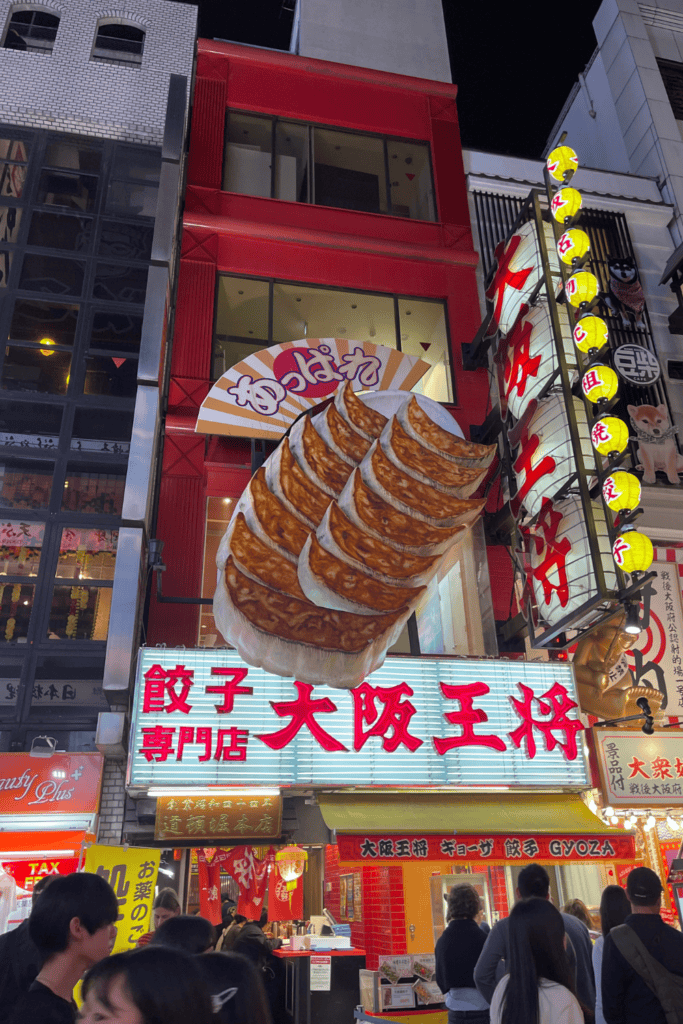
Ordering food was one of the most difficult things for me to do since many menus are written only in Japanese.
The good news is that most restaurants display plastic food models or photos you can point to.
Also helpful, is to get get acquainted with Japanese food beyond sushi and ramen, before you arrive in Japan.
Other well-known foods in Japan are Yakitori (grilled chicken skewers), Okonomiyaki (savory pancake), Tempura (deep-fried seafood/vegetables), Udon/Soba (noodle dishes), Karaage (deep-fried chicken), and Onigiri (rice balls).
Google Translate has also made things much easier in recent years.
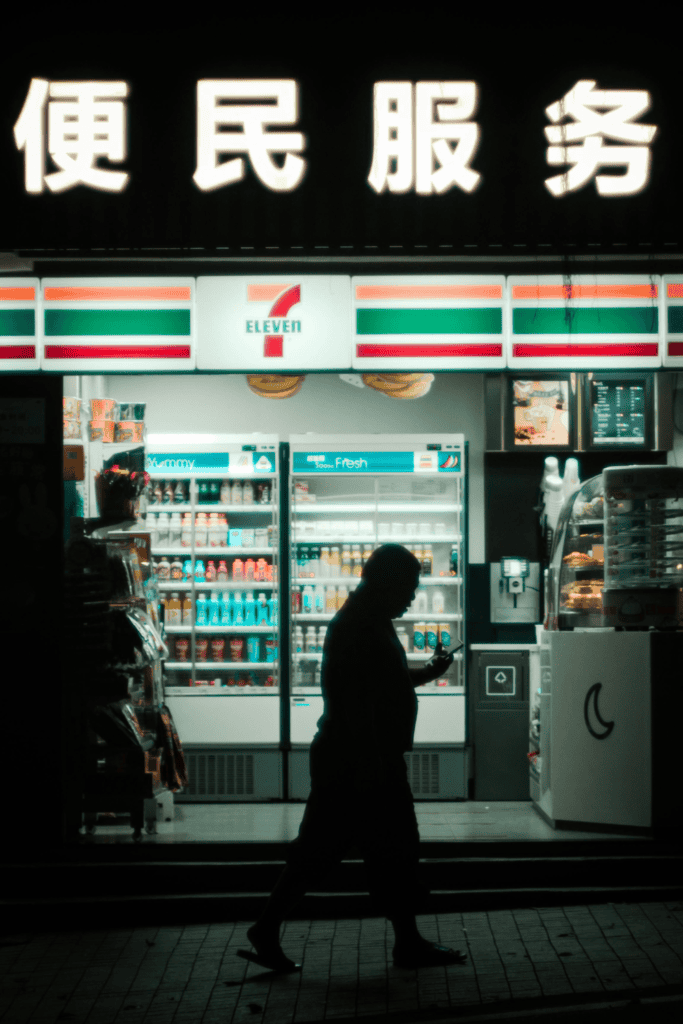
7. Konbini Stores in Japan: Your Travel Lifesaver
Convenience stores (konbini) like FamilyMart, 7-Eleven, and Lawson are everywhere.
You can grab anything from a smoothie to hot chicken skewers at very reasonable prices, no Japanese required.
8. Other Food Options
The basements of big department stores are filled with incredible food counters. You can pick up bento boxes, pastries, sushi, and deli-style meals that are easy to take back to your hotel.
Since train stations cater to so many commuters, you’ll often find restaurants with English menus.
Of course, you’ll also find plenty of international fast food chains if you need a fallback (KFC is surprisingly popular in Japan).
9. Eating While Walking Is Rude in Japan
The Japanese consider eating while walking to be bad manners.
While in Japan, do as the Japanese do: buy your food, then sit down somewhere to enjoy it.
10. Where to Throw Away Trash in Japan
Public trash cans are rare in Japan, but the streets are spotless. That’s because people carry their trash home or hold onto it until they find a bin.
I always tuck a small bag in my purse to collect wrappers and containers during the day and dispose of them when I get to my hotel.
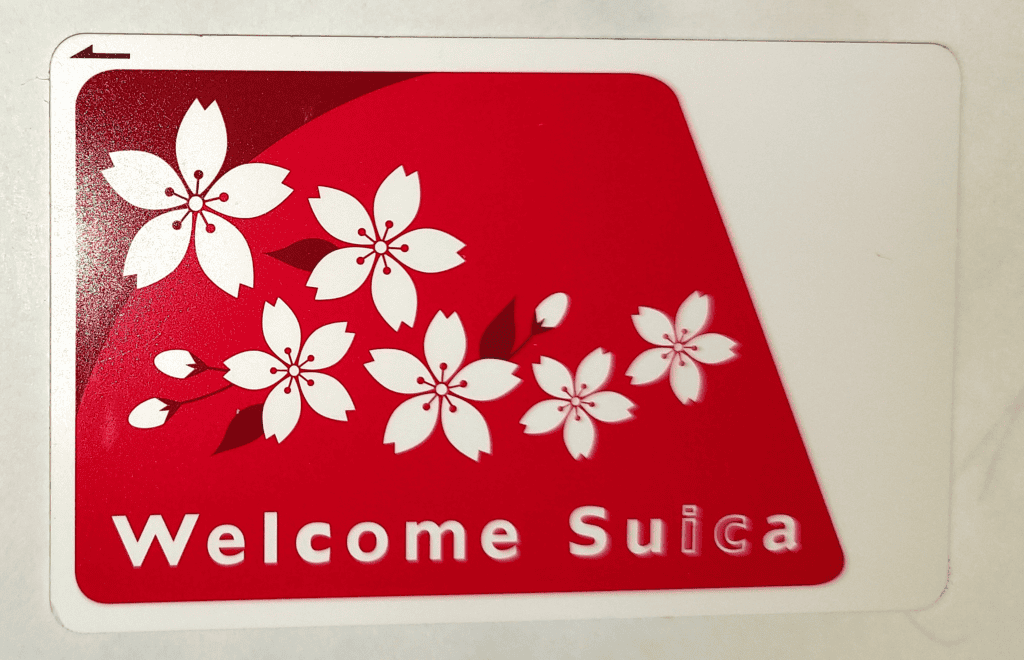
11. Why You Need a Suica or Pasmo IC Card in Japan
These rechargeable cards are lifesavers for trains, buses, and even paying at convenience stores.
You can use them throughout Japan and make it so much easier to pay.
I used a Welcome Suica on my last trip, this IC card is specifically for tourists.
For more information on IC cards visit the Japan Tourism website.
Just be careful when topping them up near the end of your trip; unused balances are not refundable.
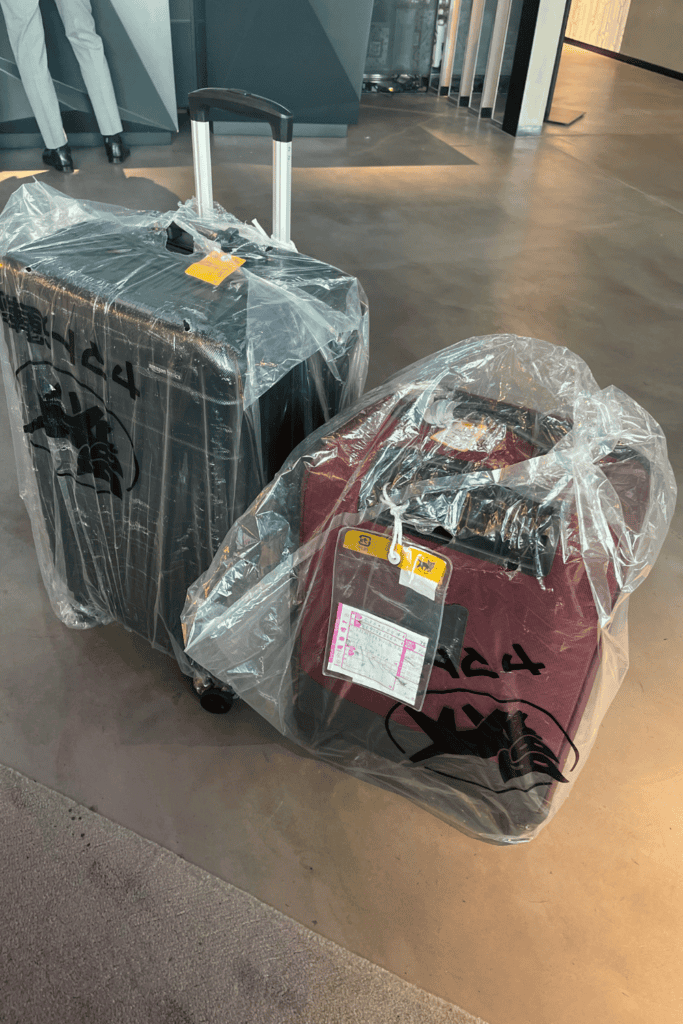
12. How Luggage Transfer Services in Japan Make Travel Easy
Space for large bags on trains is limited, and many stations don’t have elevators. That’s why luggage transfer (takkyubin) is a game-changer.
We recently discovered this service that will transfer your suitcase to your next hotel, freeing you to travel light with just a backpack.
Just make sure to ask how long it will take for your luggage to arrive at your next destination.
During a recent trip, I sent my suitcase from Sapporo to Yokohama.
It took three days, which worked out for me since I was visiting other cities during that time.
But this may not be the case for you.
Also, remember to include this cost in your budget.
Tips to Know Before Visiting Japan
Traveling in Japan can feel intimidating at first, but it doesn’t have to be.
Once you know these little tips, everything becomes easier, from eating out to moving around Japan.
Don’t forget to check Japan’s Official Tourism Page for up-to-date information and extra resources to help plan your visit.
I hope these insights make your trip smoother, less stressful, and even more enjoyable.
If you’d like more helpful travel tips and inspiration, join our newsletter and get fresh ideas straight to your inbox.